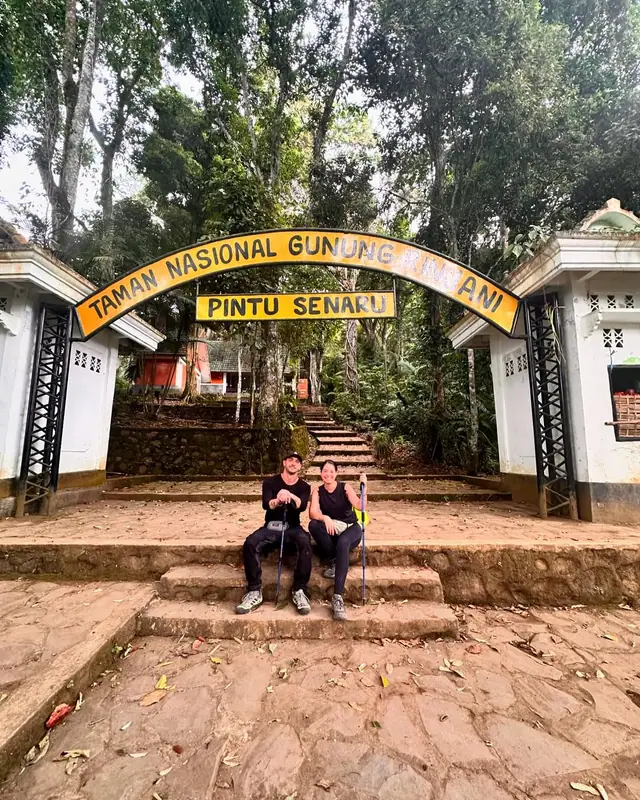
Protecting Mount Rinjani, Preserving Nature for Future Generations
Our Commitment to a Cleaner Mount Rinjani
Mount Rinjani is more than just a trekking destination. It is one of Indonesia's most remarkable natural treasures, home to breathtaking volcanic landscapes, tropical forests, unique wildlife, and communities whose lives are closely connected to the mountain.
Every year, visitors from around the world travel to Lombok to experience the beauty of Mount Rinjani. However, increasing tourism also creates environmental challenges, particularly the accumulation of plastic bottles, food packaging, and other waste along trekking trails and camping areas.
At Jou Trekking, we believe that exploring nature comes with a responsibility to protect it.
Our approach to responsible trekking focuses on reducing unnecessary waste, encouraging environmentally friendly habits, and helping visitors understand the importance of preserving Mount Rinjani.
Our goal is simple: Enjoy the adventure, respect the mountain, and leave nothing behind but footprints.
What Is Rinjani Zero Waste?
Rinjani Zero Waste is an environmental approach designed to minimize the amount of rubbish generated during trekking activities on Mount Rinjani.
The concept encourages trekkers, guides, porters, and trekking operators to take responsibility for the waste they produce and prevent pollution before it occurs.
Rather than relying entirely on mountain clean-up activities, zero-waste trekking emphasizes reducing disposable materials, reusing equipment, and carrying waste back to appropriate disposal facilities.
Achieving a completely waste-free trekking experience can be challenging, but every responsible decision makes a difference.
By working together, trekking operators and visitors can help protect Rinjani's fragile mountain environment.
Why Zero Waste Matters on Mount Rinjani
1. Protecting the Natural Environment
Mount Rinjani National Park contains valuable ecosystems, including tropical rainforests, mountain grasslands, volcanic landscapes, and freshwater environments.
Discarded rubbish can damage these ecosystems, contaminate soil and water, and negatively affect wildlife.
Reducing waste helps maintain the mountain's natural beauty and ecological balance.
2. Preventing Plastic Pollution
Single-use plastic is one of the most common types of waste associated with outdoor tourism.
Water bottles, snack wrappers, plastic bags, and disposable food containers can remain in the environment for many years.
Reducing these materials before beginning a trek is one of the most effective ways to prevent pollution.
3. Protecting Wildlife
Wild animals may mistake food packaging or discarded leftovers for food.
Improperly managed rubbish can attract animals to campsites, disturb their natural feeding behavior, and create health risks.
Keeping food and waste securely stored helps protect the mountain's wildlife.
4. Supporting Local Communities
Communities surrounding Mount Rinjani depend on the mountain for tourism, employment, and natural resources.
A cleaner mountain supports sustainable tourism and helps protect the environment that local residents and future generations depend on.
5. Preserving the Trekking Experience
Visitors come to Mount Rinjani to enjoy fresh mountain air, spectacular scenery, peaceful campsites, and unforgettable outdoor experiences.
Clean trails and camping areas allow everyone to appreciate the mountain without unnecessary pollution.
The Jou Trekking Responsible Trekking Approach
We believe responsible tourism begins with everyday decisions, from preparing trekking supplies to managing waste during an expedition.
The following principles guide our approach to more environmentally conscious trekking.
Reduce Unnecessary Plastic
We encourage guests and trekking teams to minimize single-use plastic whenever practical.
Choosing refillable bottles, reducing unnecessary packaging, and planning supplies carefully can significantly decrease the amount of rubbish brought onto the mountain.
Encourage Reusable Equipment
Durable trekking and camping equipment can be used repeatedly, reducing the need for disposable alternatives.
Reusable drinking bottles, food containers, utensils, and storage bags are practical choices for environmentally responsible adventures.
Carry Waste Back Down
One of the most important principles of mountain conservation is ensuring that rubbish does not remain on the trail or at campsites.
All trekkers should collect their personal waste and make sure it is carried down the mountain for appropriate disposal.
This includes small items such as tissues, candy wrappers, bottle caps, and food packaging.
Respect Campsites and Water Sources
Camping areas should be left clean and undamaged.
Food scraps, hygiene products, and wastewater must be managed responsibly to prevent contamination of the surrounding environment.
Soap and other cleaning products should never be used directly in lakes, rivers, or natural water sources.
Promote Environmental Awareness
Protecting Mount Rinjani requires cooperation between visitors, guides, porters, trekking operators, and local communities.
By sharing practical information about waste reduction and responsible outdoor behavior, we hope to encourage a stronger culture of environmental awareness.
10 Simple Ways to Make Your Rinjani Trek More Sustainable
Every trekker can contribute to a cleaner Mount Rinjani by following these practical guidelines.
1. Bring a Refillable Water Bottle
Choose a reusable water bottle instead of relying on disposable plastic bottles.
Refill it using drinking water confirmed safe by your trekking team.
2. Minimize Food Packaging
Avoid bringing excessive individually wrapped snacks.
Whenever possible, transfer snacks into reusable containers before starting your trek.
3. Carry a Small Rubbish Bag
Keep a small, securely closed bag in your daypack for personal rubbish.
Never leave wrappers, tissues, or other waste along the trail.
4. Use Reusable Eating Utensils
Reusable cups, plates, spoons, and food containers can help reduce the amount of disposable plastic generated during camping.
5. Never Leave Food Scraps Behind
Fruit peels and other organic waste may seem harmless, but they can disturb wildlife and take time to decompose in mountain environments.
Carry food scraps out instead of leaving them at campsites or along the trail.
6. Choose Environmentally Responsible Toiletries
Bring only essential personal hygiene products and minimize disposable packaging.
Even biodegradable products should be kept away from natural water sources.
7. Stay on Designated Trekking Trails
Avoid creating shortcuts or walking through sensitive vegetation.
Following established trails helps prevent soil erosion and damage to mountain ecosystems.
8. Respect Wildlife and Vegetation
Observe wildlife from a safe distance.
Do not feed animals, remove plants, or disturb natural habitats.
9. Leave Your Campsite Clean
Before leaving your campsite, check the surrounding area carefully.
Make sure no rubbish, personal belongings, or food waste remains behind.
10. Inspire Other Trekkers
Responsible trekking becomes more effective when everyone participates.
Encourage fellow hikers to respect nature, reduce unnecessary waste, and follow responsible mountain practices.
Responsible Waste Management During Trekking
Waste management should begin before entering Mount Rinjani National Park.
Before the Trek
- Prepare only the supplies needed for the expedition.
- Remove unnecessary packaging.
- Choose reusable equipment where practical.
- Bring a refillable water bottle.
- Prepare a suitable bag for personal rubbish.
- Understand the environmental guidelines for Mount Rinjani National Park.
During the Trek
- Keep personal rubbish securely stored.
- Never throw waste along trekking trails.
- Avoid leaving food scraps at resting points.
- Respect wildlife and natural vegetation.
- Keep camping areas clean.
- Follow instructions from your trekking guide.
After the Trek
- Check that all personal rubbish has been collected.
- Bring waste down from the mountain.
- Separate recyclable materials where appropriate facilities are available.
- Dispose of remaining waste responsibly.
- Share responsible trekking practices with other travelers.
Remember: Everything you bring onto the mountain should come back down with you, except what you safely consume.
The Important Role of Local Guides and Porters
Local guides and porters play an essential role in Mount Rinjani tourism.
Beyond helping visitors navigate the mountain and transporting camping supplies, they contribute valuable local knowledge about trekking routes, mountain conditions, and the surrounding environment.
Their experience also provides opportunities to encourage responsible waste management and environmental awareness among visitors.
At Jou Trekking, we recognize the importance of treating guides and porters with respect and encouraging cooperation between our trekking teams and guests.
Environmental responsibility should be a shared effort, supported by clear communication, practical preparation, and respect for everyone involved.
Small Group Trekking and Responsible Tourism
Jou Trekking specializes in small group adventures with a maximum of four trekkers per group.
We believe smaller groups offer a more personal and enjoyable mountain experience while making it easier to communicate environmental guidelines and manage group activities.
Our small group approach also allows guides to provide closer attention to individual guests throughout the journey.
Although group size alone does not guarantee a lower environmental impact, careful planning and responsible behavior can help reduce unnecessary disturbance along trekking routes and at campsites.
Private trekking experiences are also available upon request.
Leave No Trace – Respect the Mountain
The Leave No Trace philosophy encourages outdoor visitors to minimize their impact on natural environments.
When trekking on Mount Rinjani, we encourage everyone to follow these essential principles:
- Plan ahead and prepare responsibly.
- Travel on established trails.
- Dispose of waste properly.
- Leave natural objects where they belong.
- Minimize campfire impacts and follow park fire restrictions.
- Respect wildlife.
- Be considerate of other visitors.
These principles help preserve the mountain's natural beauty while allowing future generations to enjoy the same extraordinary landscapes.
Our Vision for the Future of Mount Rinjani
We believe the future of Mount Rinjani tourism depends on finding the right balance between adventure, environmental protection, and local community well-being.
As a locally operated trekking company based in Senaru, Lombok, Jou Trekking values the mountain not only as a destination for visitors but also as an important part of our local environment.
We want future generations to experience the same beautiful forests, spectacular crater views, and remarkable volcanic landscapes that make Mount Rinjani so special today.
Our vision is to encourage a trekking culture where protecting nature is considered just as important as reaching the summit.
Responsible tourism is not achieved through one activity or one organization. It requires continuous effort and cooperation from everyone who visits or works on the mountain.
Join Jou Trekking in Protecting Mount Rinjani
A successful Mount Rinjani adventure is not measured only by reaching the summit or completing a trekking route.
It is also measured by how responsibly we treat the environment throughout the journey.
Whether you are planning a two-day crater rim adventure or a multi-day summit expedition, your choices can help protect this extraordinary destination.
By reducing waste, respecting wildlife, and keeping trekking trails clean, every visitor can contribute to a more sustainable future for Mount Rinjani.
Trek Responsibly. Respect Nature. Keep Rinjani Clean.
Jou Trekking – Small Group Adventures, Responsible Mountain Experiences.
Frequently Asked Questions About Rinjani Zero Waste
1. What does Rinjani Zero Waste mean?
Rinjani Zero Waste is an approach to reducing rubbish and preventing environmental pollution during trekking activities on Mount Rinjani.
2. Why is waste management important on Mount Rinjani?
Improperly discarded waste can damage natural ecosystems, pollute water sources, disturb wildlife, and reduce the quality of the trekking experience.
3. Can I bring plastic bottles on my trek?
You should minimize disposable plastic bottles whenever possible. A reusable bottle is recommended, with safe drinking water arranged according to your trekking plan.
4. What should I do with rubbish during the trek?
Keep your personal rubbish in a secure bag and carry it down the mountain for proper disposal.
5. Can I leave fruit peels or food scraps on the mountain?
No. Organic waste should also be collected because it can attract wildlife and interfere with the natural environment.
6. Are reusable food containers better for trekking?
Yes. Reusable containers can help reduce disposable packaging and the amount of waste generated during an expedition.
7. Can I wash with soap in Segara Anak Lake?
No. Soap, shampoo, and other cleaning products should not be used directly in the lake or other natural water sources.
8. How can I help keep Mount Rinjani clean?
Reduce unnecessary packaging, carry out your rubbish, respect designated trails, and follow your guide's environmental instructions.
9. Does small group trekking help with responsible tourism?
Smaller groups can make it easier to coordinate activities, communicate environmental guidelines, and manage waste responsibly.
10. How can I support sustainable trekking with Jou Trekking?
Prepare responsibly, bring reusable items, follow Leave No Trace principles, and help ensure that your trekking group leaves no rubbish behind.
Explore Mount Rinjani Responsibly with Jou Trekking
Discover the beauty of Mount Rinjani through carefully organized small group trekking adventures while helping protect the mountain for future generations.